

With the 2026 NBA Draft complete, front offices across the league are now shifting their attention to free agency, trades, and salary-cap maneuvering. But in today’s NBA — shaped heavily by the 2023 Collective Bargaining Agreement — spending power is no longer equal.
Some franchises have real cap space flexibility. Others are locked into apron restrictions that make even minor roster moves complicated.
Below is a structured breakdown of how the league is shaping up financially heading into NBA free agency 2026.
🟢 Tier 1: Cap space contenders (big movers of the offseason)
Only a few teams project to have meaningful cap room — and just two currently stand out as true “cap space kings.”
Brooklyn Nets
Projected cap room: up to ~$37M
Despite recent moves (including the acquisition of Julius Randle), Brooklyn still maintains one of the strongest financial positions in the league.
The Nets can:
- Operate under cap space before finalizing incoming deals
- Use exceptions for additional flexibility after crossing the cap
- Continue their dual-track strategy of development + trade-driven roster building
Key direction: rebuilding depth, defensive identity, and long-term consistency.
Free agent targets include: John Collins, Rui Hachimura, Quentin Grimes, Kelly Oubre Jr., Luke Kennard, Peyton Watson.
Chicago Bulls
Projected cap room: ~$26M–$31M (depending on roster decisions)
Chicago enters one of its most important financial summers in years after acquiring Nic Claxton.
Key constraints:
- Must reach league salary floor (~90% of cap)
- Could end up with only limited usable cap space (~$9.5M in-season)
- Has full access to mid-level exception after cap space is exhausted
Team needs:
- Shooting
- Frontcourt depth
Key free agents linked: Anfernee Simons, Collin Sexton, Walker Kessler, Robert Williams III, Kristaps Porziņģis.
🟡 Tier 2: Cap space possible — but at a cost
These teams could create cap room, but only by making painful roster sacrifices.
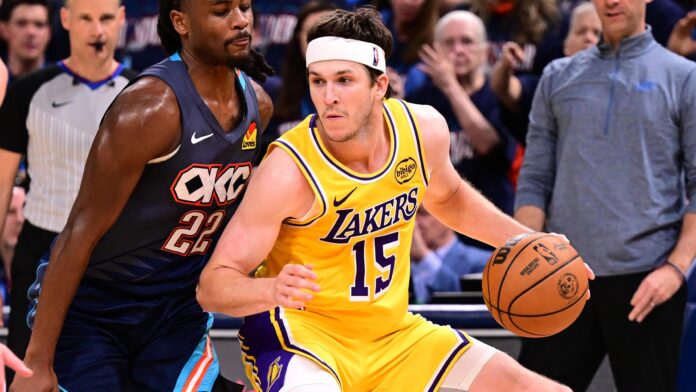
Los Angeles Lakers
Projected cap room: up to ~$47M (scenario-dependent)
The Lakers’ flexibility depends heavily on decisions involving key veterans.
To maximize cap space, they may need to:
- Renounce or restructure major contracts (including LeBron James scenarios)
- Choose between free agency spending vs. retaining core players
Core dilemma:
Cap space flexibility vs. continuity around the roster.
Targets include: Jalen Duren, Mitchell Robinson, Walker Kessler, Anfernee Simons, Quentin Grimes.
Los Angeles Clippers
Projected cap room: up to ~$30M (conditional)
The Clippers could open significant space, but only by moving or renouncing multiple veterans.
Otherwise:
- Stay under tax line
- Use ~$15M mid-level exception
- Retain stronger roster stability
Key names in play: Brook Lopez, Nicolas Batum, Bogdan Bogdanović, John Collins.
Atlanta Hawks
Financial position: ~$8M below tax / ~$16M below first apron
Atlanta is flexible but strategically constrained by upcoming option decisions.
Key pivot point:
- Jonathan Kuminga team option decision
- Multiple trade exceptions available
Team needs:
- Frontcourt size
- Secondary ball-handler
Memphis Grizzlies
Below tax: ~$24M
Memphis is operating carefully under the apron system, balancing:
- Trade exception flexibility
- Rookie-scale contracts
- Injury concerns (notably Zach Edey’s availability)
Primary need: backup center + shooting improvement.
🟠 Tier 3: Mid-level exception teams (majority of the NBA)
Most franchises fall here — unable to create major cap space but still active using exceptions.
These teams can:
- Use ~$15M non-tax mid-level exception
- Use ~$5.5M bi-annual exception
- Combine trades + exceptions for roster upgrades
Charlotte Hornets (standout in Tier 3)
Below tax: ~$53M
Charlotte stands out as one of the most flexible teams in the league after major roster moves, including the trade of LaMelo Ball.
They also hold:
- One of the largest trade exceptions in NBA history (~$40.7M)
- Full mid-level exception access
Team direction:
- Rebuild acceleration
- Asset accumulation
- Flexibility for major trades
🧠 Key NBA financial trends in 2026
1. True cap space is rare
Only a handful of teams can meaningfully sign star-level free agents outright.
2. Apron rules are reshaping roster building
Second apron restrictions significantly limit:
- Trades
- Aggregation of salaries
- Luxury tax flexibility
3. Extensions are locking up spending power
Rising rookie and veteran extensions have reduced offseason cap flexibility league-wide.
4. Trade exceptions are becoming more important
Teams like Brooklyn and Charlotte are using exceptions almost like cap space.
🔮 What to expect this summer
- More sign-and-trade deals than traditional free agency
- Stars moving via trade rather than open cap room
- Teams prioritizing flexibility over big spending
- Increased value of mid-tier free agents rather than max contracts